Winter Workplace Safety
A Virtual Course
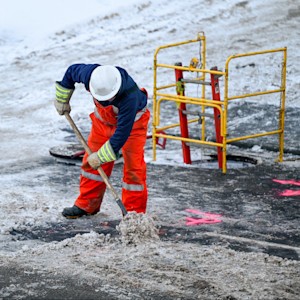
Winter doesn’t just affect people who work outdoors. Icy entrances, cold-stressed employees, winter driving, snow removal, and power outages affect nearly every workplace. This course is built around the idea that most winter incidents form through a chain of weather, workplace conditions, and human factors, and that the chain can be broken at the earliest controllable point. We focus on practical decisions: controlling hazards before relying on PPE, responding early, and knowing when to stop work or delay travel. Through discussion, real-world scenarios and group exercises, participants build a response plan they can take back to their own workplace and measure their own confidence before and after.
Date: 12/03/2026 – Time: 9:00 am – 11:00 am
Cost: AE/MSSC Member $ 75.00 / Non-Member $100.00
How You Will Benefit
- Learn to recognize and control the most common winter hazards, from icy walkways and entrances to snow removal equipment
- Identify the warning signs of cold stress, including hypothermia and frostbite, and know how to respond
- Make safer go/no-go decisions about winter driving and know what to do if stranded
- Practice building a winter response plan with assigned owners, communication, and follow-up
- Track your own confidence before and after, and leave with a list of winter safety changes to make at your workplace
What You Will Cover
- How winter incidents develop and how to break the chain
- Hazard assessment and the hierarchy of controls
- Preventing slips, trips and falls, including entrance and moisture control
- Cold stress: risk factors, wind chill, warning signs, prevention, and layering
- Winter driving: vehicle preparation, driving adjustments, emergency kits and what to do if stranded
- Safe shoveling, snowblower use and avoiding roof exposure
- Winter PPE, worker visibility, and emergency preparedness
- Scenario discussions, a photo hazard challenge, a group response-plan exercise and a participant worksheet
Who Should Attend
Employees at all levels and in all industries will benefit, including supervisors, safety committee members, facilities and maintenance staff, and anyone who drives for work or is exposed to cold conditions.